A partnership between Colombia’s public water and sanitation utility in Pasto, EMPOPASTO, and AQUACOL, an association of community-based water and sanitation providers, has helped rural communities strengthen the operation, maintenance and management of their water systems in Cauca and Valle del Cauca. The exchange from 2022 to 2023 supported rural providers in Asoalma Curpaq, Morales, Robledo and Sanquepal with 3905 client households in total, where communities had been facing technical, operational and financial challenges affecting service quality and sustainability.
In several of the communities, treatment plants had either never been operated since construction or were functioning without the technical knowledge needed to manage chemical dosing, monitor water quality or maintain equipment properly. Some systems also faced weak billing and revenue collection practices, limited metering and difficulties recovering overdue payments, undermining their long-term viability.
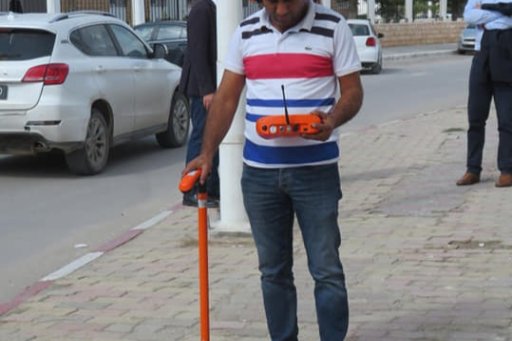
To respond, EMPOPASTO deployed a multidisciplinary team with expertise in plant operation, water treatment, commercial management and revenue collection. Through a practical approach combining workshops, field visits and demonstrations on site, the utility worked directly with rural operators and community representatives to strengthen both technical and administrative capacities. EMPOPASTO’s teams also provided technical assistance on the operation of water supply infrastructure, treatment processes and commercial management.
“Through the successful twinning model, supported by the WOP-Colombia platform, we have made the technical and administrative expertise of our professional staff available to rural communities,” said Cristian Tabares, Commercial Director at EMPOPASTO. “We are convinced that peer learning and the deployment of specialist teams are transformative tools. They help ensure service continuity and improve the well-being of rural families, while contributing to a more resilient and professional water management system for the country’s future.”
The partnership helped rural operators improve coagulation, clarification and disinfection processes, and build confidence in using basic monitoring tools such as colourimeters and chlorine meters. It also supported stronger commercial practices, including the use of payment agreements, more structured billing procedures and measures to address arrears. Progress was made as well on service formalisation, including clearer arrangements between providers and users.
For AQUACOL and the participating communities, the value of the exchange lay in its direct relevance to local needs. “The Water Operators’ Partnership strengthened the capacities of community water and sanitation service providers,” said Jorge Amaya, President of AQUACOL. “The community providers incorporated key knowledge for operating more complex systems, including water treatment plants. At the same time, service provision was improved through stronger water-quality monitoring. This experience demonstrates the value of peer learning and reinforces the community management model for water and sanitation services.”
The process also highlighted strong community commitment, especially among young women, whose participation helped reinforce local ownership and long-term resilience.
The experience illustrated the role of the National Platform WOP-Colombia in making this kind of exchange possible. Managed by ACODAL, the Colombian Association of Sanitary and Environmental Engineering, the platform helps connect service providers and support knowledge-sharing across Colombia, supported by the Inter-American Development Bank and funded by Switzerland through the Colombian State Secretariat for Economic Affairs. The Colombian platform is part of WOP-LAC, the regional platform for Latin America and the Caribbean, which in turn forms part of the Global Water Operators’ Partnerships Alliance (GWOPA). “One of the key strengths of the WOP-Colombia platform is its ability to connect the right actors and facilitate structured knowledge exchange,” says Natalia Rincón, WOP-Colombia Coordinator. “This enables practical solutions tailored to local challenges and contributes to strengthening water and sanitation services across the country.”
Across the communities involved, the partnership shows how practical, sustained cooperation between larger providers and smaller rural systems can improve water quality, strengthen local management and support more resilient services over time.